Introduction
In emergencies, understanding exactly how to do CPR (Cardiopulmonary Resuscitation) CPR training courses in Gold Coast can be the distinction between life and fatality. Whether you're a layman or somebody in the medical field, understanding the basics of CPR is vital. This thorough guide will stroll you through the required steps and strategies needed for efficient mouth-to-mouth resuscitation, highlighting its value in conserving lives.
From understanding what CPR is to learning more about the most recent guidelines and methods, this guide intends to provide beneficial understandings into how you can be gotten ready for emergency situations.
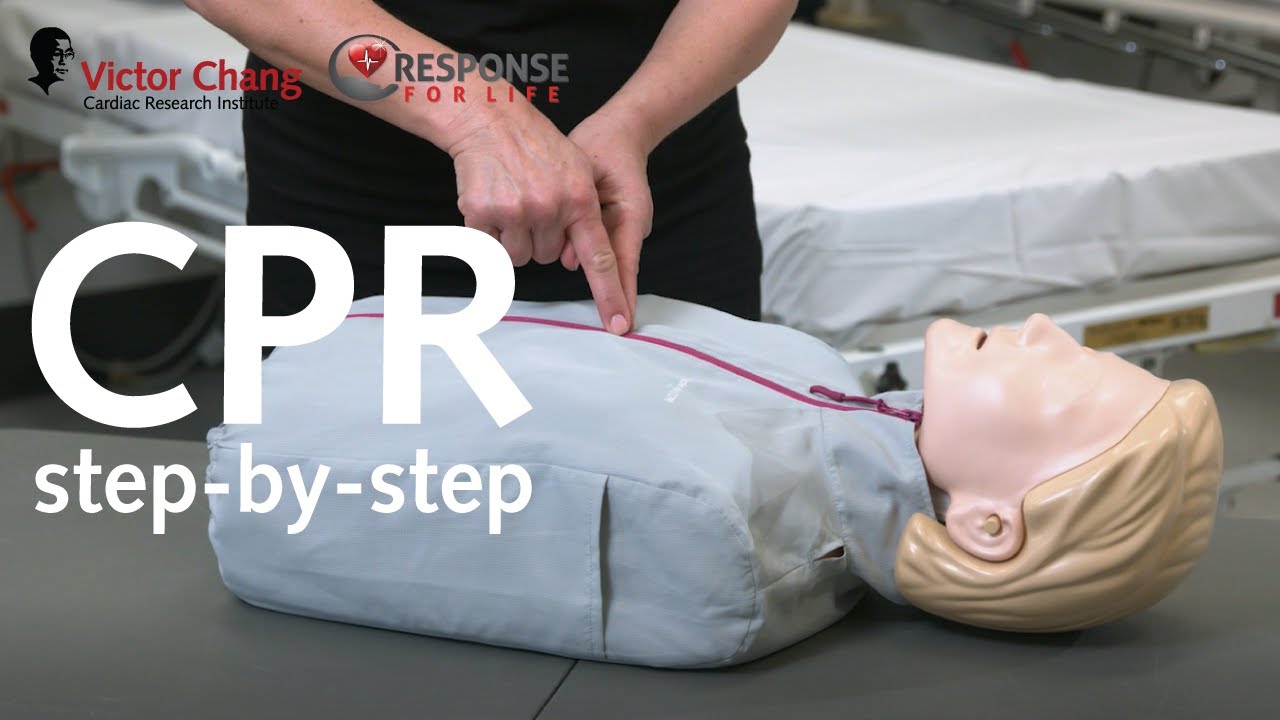
How to Do CPR: A Beginner's Overview to Life-Saving Techniques
CPR is a lifesaving method used in emergencies when someone's heart has actually quit defeating or they have actually stopped breathing. Knowing how to perform CPR can significantly boost the possibilities of survival up until professional medical help arrives.
Understanding the Value of CPR
Why is mouth-to-mouth resuscitation Crucial?
The main goal of performing mouth-to-mouth resuscitation is to maintain blood circulation and oxygenation to important body organs, particularly the mind. When someone's heart quits, they might pass out within seconds, and brain damage can occur within mins without blood flow. Thus, prompt action with CPR can save a life.
Statistics on Survival Rates
According to numerous studies, prompt mouth-to-mouth resuscitation can double and even triple a target's opportunity of survival. The American Heart Association reports that around 350,000 cardiac arrests occur outdoors hospitals every year in the United States alone.
Basic Components of CPR
1. Assessing the Situation
Before you start providing CPR, ensure it's risk-free for both you and the victim. Try to find indications of responsiveness. If they're less competent and not breathing (or only wheezing), it's time to act.
2. Requiring Help
Call emergency situation solutions instantly or ask another person to do so while you start administering care.
3. Beginning Chest Compressions
- Place your hands over the facility of the chest. Use your body weight to press down hard and fast at a rate of 100-120 compressions per minute. Ensure that each compression is about 2 inches deep however not greater than 2.4 inches; this assists avoid wrong compression depth.
4. Giving Rescue Breaths (if trained)
If you're learnt rescue breaths:
- Give 30 chest compressions followed by 2 rescue breaths. Ensure each breath lasts about one second and makes the chest increase visibly.
Using an AED: How to Utilize It
An Automated External Defibrillator (AED) is a critical device that can restore a normal heart rhythm during cardiac arrest:
Turn on the AED. Follow audio/visual prompts. Attach pads as indicated on the device. Allow it to examine heart rhythm and comply with guidelines accordingly.CPR for Different Age Groups
Understanding age-specific guidelines can make all the difference when doing CPR:
Infant CPR Technique
For babies under one year:
- Use 2 fingers for compressions in the facility of their chest. Provide mild smokes as opposed to strong breaths.
Child vs Grownup Techniques
For kids aged one year up till puberty:
- Use one hand for compressions if needed but aim for a deepness comparable to adults.
Special Circumstances Calling for Advanced Resuscitation Skills
Certain scenarios require sophisticated methods:
CPR for Drowning Victims
Drowning sufferers need prompt rescue breaths prior to compressions because of possible hypoxia.
Sports-related Cardiac Arrests
In athletic settings, know how specific tasks position dangers and adapt your technique accordingly.
Workplace Emergency situation Strategies: Being Prepared at Work
Having an emergency situation feedback plan at the workplace can ensure everybody understands what steps to take during a dilemma:
Conduct regular training sessions. Ensure availability of first aid kits and AEDs. Designate duties among team members for quick emergency response.Household CPR Readiness: Preparing Your Home for Emergencies
Having a strategy at home improves your family's safety and security:
- Keep an upgraded list of emergency get in touches with near phones. Have a quickly accessible emergency treatment kit with basic supplies including gloves and masks.
Local CPR Courses: Where Can You Obtain Certified?
Enrolling in regional courses will equip you with hands-on abilities needed for reliable efficiency:
Check community centers or medical facilities providing courses. Look online for accreditations available in your area.Online mouth-to-mouth resuscitation Qualification: Flexible Discovering Options
With innovation at our fingertips, online resources supply flexibility:
Courses are often readily available at any time. Make certain they abide by identified requirements like those from Red Cross or AHA.CPR Accreditation Needs in Australia
Different areas have varying requirements pertaining to accreditation legitimacy duration:
Typically valid for 3 years; check neighborhood regulations. Regular refreshers are recommended with continuing education and learning courses. comprehensive first aid courses Gold Coast
Latest Guidelines on Doing CPR in Australia
Stay upgraded with existing methods recommended by health and wellness authorities:

FAQ Section
What should I do if I'm unclear concerning offering rescue breaths?
If you're uncomfortable providing rescue breaths, focus only on chest compressions until help arrives; this is still very effective!
Can I utilize an AED on myself if I'm unconscious?
No! AEDs are created for use on others only; always look for aid from somebody close by if incapacitated.
What's the myth surrounding "CPR always restarts heart"?
It's essential to keep in mind that while many people believe this myth, a lot of instances require more clinical intervention beyond preliminary resuscitation efforts.
Are there specific standards based upon age?
Yes! Standards differ significantly between adults, kids, and infants; acquaint yourself with these age-specific protocols!
How frequently must I revitalize my skills?
It's advisable to review training every two years or after considerable standard updates from recognized agencies like AHA or Red Cross.
Is it lawful to execute mouth-to-mouth resuscitation if I'm not certified?
Yes! Good Samaritan regulations normally safeguard individuals who offer assistance during emergency situations as long as activities are reasonable provided their level of training!
Conclusion
Knowing how to do mouth-to-mouth resuscitation successfully can save lives-- your own consisted of! By comprehending essential techniques such as assessing scenarios immediately using AED gadgets properly while adhering strictly age-based methods makes certain far better outcomes throughout emergencies!
Remember-- the extra prepared you are with training courses qualifications-- the greater influence you'll have when confronted with real-life dilemmas! So don't wait-- enroll today!
In summary, whether you're interested in taking neighborhood courses or seeking online qualification chances-- there's no time like currently! Prepare on your own today because every 2nd matters when it boils down saving lives through appropriate application Cardiopulmonary Resuscitation methods provided below throughout "Just how To Do Cpr: A Newbie's Guide To Life-Saving Methods."